Your Step by Step Guide to Dealing with Plumbing Emergencies
Views : 614
What Constitutes a Plumbing Emergency?
- Burst pipes
- Overflowing or clogged toilets
- Sudden water loss
- Sewage backup
- No hot water (especially in winter)
- Leaks around electrical fixtures
Tips For Emergency Plumbing
Shut Off the Water Supply Immediately
Drain Remaining Water
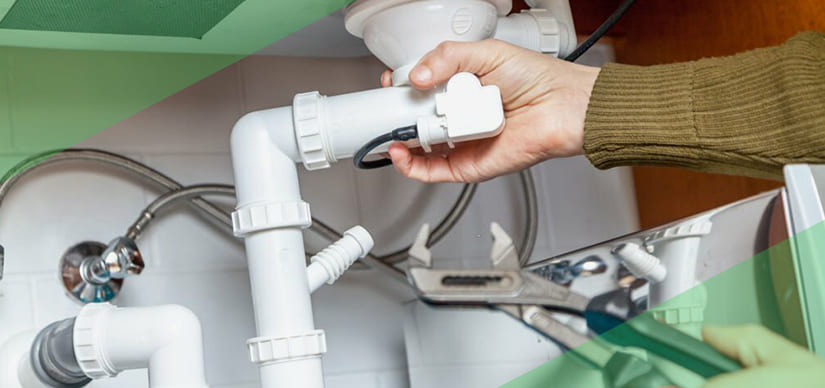
Address Small Leaks While You Wait
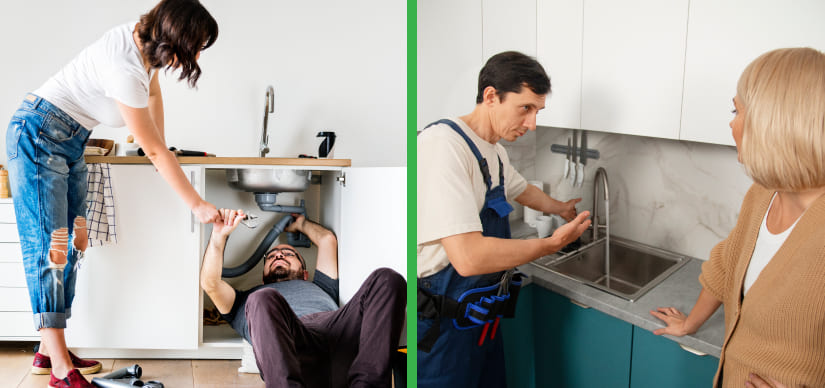
Contact an Emergency Plumber
Protect Your Belonging
Take Photos for Insurance
Common Emergency Plumbing Situations and How to Deal with Them
- Burst Pipes
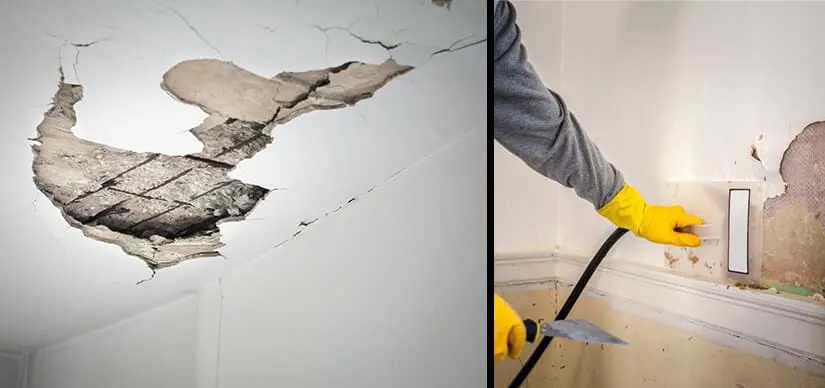
A burst pipe plumber must be contacted immediately if a pipe bursts at your residence. Immediate action will prevent flooding and structural damage. Turn off your water, drain the pipes, and do not turn it back on until it is fixed. - Clogged Toilet Overflowing
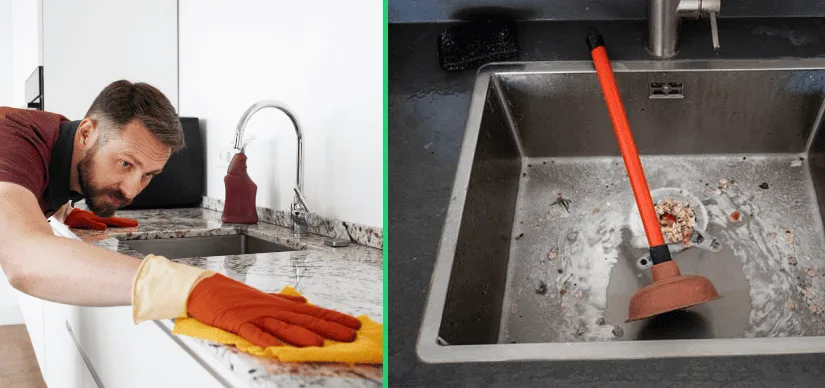
A clogged toilet can go from frustrating to disastrous if it begins to overflow. Cease flushing, try to plunge if it is safe to do so, and turn off the water shut-off valve behind the toilet if the bowl is rising. If the problem persists, call a plumber. - No Hot Water
This may indicate an issue with your water heater. If it's either a conventional or tankless model, water heater repair or installation might be in order. Make sure the breaker hasn't tripped and the pilot light is still on. If not, it's time to call for help. - Sewer Backup
A sewer backup stinks horribly and is bad for your health. It may indicate a cracked main line or clog. Shut off all water in the house right away and call a plumber—this is not something to try to repair yourself.
How to Avoid Plumbing Emergencies
- Check pipes for corrosion or rust
- Only flush toilet paper
- Set up yearly plumbing checks
- Place a backflow valve
- Get new fixtures replacing old ones to be pressure-safe
Why Emergency Plumbing Must Be Done by Professionals
What to Expect from Emergency Plumbing Services
- Inspect the affected area
- Provide a diagnosis and repair estimate
- Explain what needs to be done and why
- Offer tips to avoid future problems
Cost of Emergency Plumbing Repairs
- Blocked toilet: $100–$250
- Burst pipe repair: $200–$1,000+
- Emergency water heater repair: $150–$500
- Backup sewer line: $300–$1,200
Conclusion
FAQs
Q1. What do I do first during a plumbing crisis?
Immediately shut off the water supply to prevent further damage, then contact a licensed emergency repair plumber for help.
Q2. Do I classify a clogged toilet as a plumbing crisis?
Yes, especially if it's overflowing or you only have one bathroom. A clogged toilet can quickly become a health and sanitation issue.
Q3. How do I recognize if my pipe has burst?
Look for signs like water gushing from walls or ceilings, sudden drops in water pressure, and unexplained water pooling. Shut off the main water valve and call an emergency plumber immediately.
Q4. Can I do a water heater installation myself in an emergency?
It's not recommended. Installation involves plumbing and either electrical or gas connections, which require a licensed professional to ensure safety and compliance with building codes.
Q5. How expensive is emergency plumbing?
Costs vary, but emergency services are usually more expensive—ranging from $100 to over $1,000 depending on the nature and timing of the problem.