Emergency Plumbing Checklist: How to Prepare for Sudden Leaks in San Diego
Publish Date :06-08-2026
Views : 342
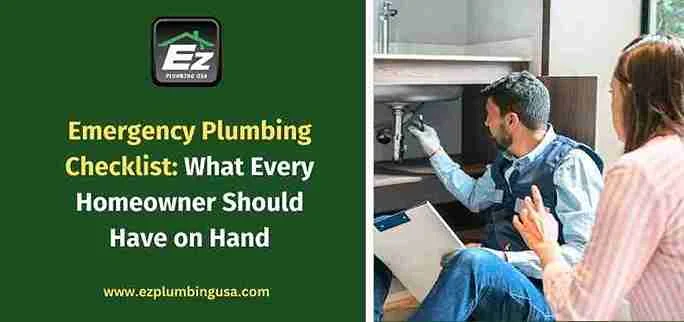
Plumbing disasters rarely give advanced notice. A sudden pipe burst in the middle of the night, a sewer line backup during a busy holiday, or an overflowing water heater can quickly turn from an annoyance into an expensive catastrophe. While reliable emergency plumbing services are essential when crisis strikes, taking proactive steps and keeping an emergency plumbing checklist on hand can dramatically minimize water damage and protect your property while you wait for professional help.
Whether you reside in coastal San Diego or inland Orange County, understanding your home's water supply system and having the right tools prepared makes all the difference. Here is your comprehensive emergency plumbing checklist and action guide.
Step 1: Know Your Emergency Water & Gas Shutoff Locations
When water is flooding across your floors, every second counts. The first item on any homeowner's checklist must be locating and testing your structural supply valves.
Main Water Shutoff Valve
Most single-family residences in Southern California have a main water shutoff valve located near the perimeter meter, inside the garage, or near the front exterior hose bibb. Make sure every adult in the house knows its exact location and how to turn it clockwise to halt water flow immediately.
Individual Appliance Isolation Valves
For isolated problems such as an overflowing toilet or leaking under-sink supply line, turn off the dedicated angled stop valve beneath the sink or behind the toilet rather than shutting off water to the entire property.
Water Heater Gas and Electric Shutoffs
If a water heater tank ruptures, immediately trip the dedicated electrical circuit breaker (for electric units) or turn the gas thermostat valve to "Pilot" or "Off" (for gas units) to prevent overheating and hazardous sparks.
Step 2: Assemble Your Emergency Plumbing Tool Kit
Having a well-stocked toolbox allows you to perform critical containment and temporary patching while waiting for emergency plumbing services in San Diego to arrive on site. Here is what should be in your emergency kit:
- Heavy-Duty Flange Plunger: Designed specifically for clearing toilet bowl clogs effectively without splashing.
- Adjustable Pipe Wrench & Tongue-and-Groove Pliers: Essential for gripping threaded pipes, tightening loose union nuts, and operating stubborn valve stems.
- Thread Sealing (PTFE/Teflon) Tape: Ideal for quickly re-wrapping threaded joint leaks on showerheads and external taps.
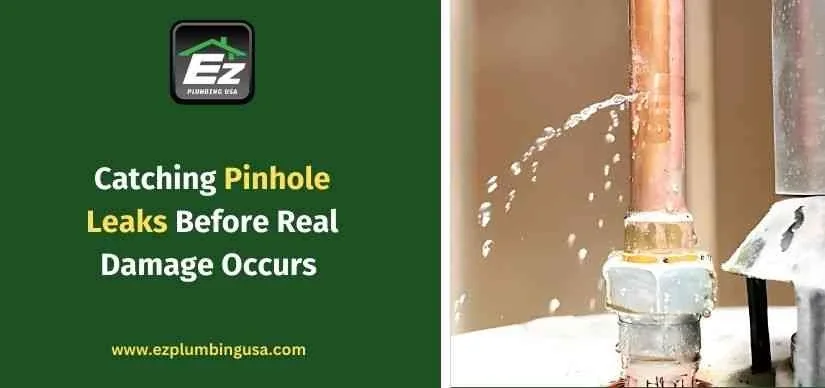
- Pipe Repair Clamps & Fiberglass Wrap: A lifesaving rapid-fix solution to seal cracks or pinhole leaks under pressurized pipes temporarily.
- Rubber Gaskets and Assorted O-Rings: Perfect for quickly remedying dripping faucets and loose supply tubing connections.
- 5-Gallon Bucket, Heavy Towels, & Wet/Dry Shop Vac: Removing standing water swiftly is critical to preventing wood rot, drywall deterioration, and harmful mold growth.
Step 3: Immediate Action Protocols for Common Emergencies
1. Sudden Pipe Burst
Immediately twist the main water shutoff valve clockwise to cut overall water pressure. Turn on the lowest faucets in your house (such as an outdoor hose bibb or bottom-floor sink) to safely drain remaining standing water out of the pipes. Apply a pipe repair clamp or emergency rubber wrapping over the rupture point and immediately contact a licensed plumber.
2. Overflowing or Stubbornly Blocked Toilets
If a toilet flushes and begins rising toward the rim, instantly remove the cistern tank lid and press down the rubber flapper over the drain valve at the bottom of the tank to stop incoming water. Use a proper flange plunger with strong, rhythmic thrusts to break the obstruction. Never attempt repeated flushes on a clogged drain.
3. Water Heater Rupture & Leaks
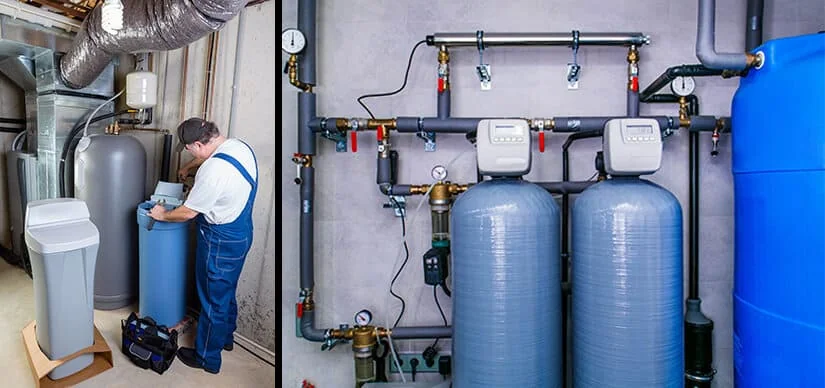
If you observe rusty pooling water around the base of your heater or hear loud rumbling and boiling sounds, turn off the cold-water inlet pipe on top of the tank, disconnect fuel or electrical power, and connect a heavy garden hose to the bottom drain valve to safely direct standing water to a floor drain or outdoor lawn.
When to STOP Doing It Yourself and Call 24/7 Experts
While DIY containment strategies are invaluable for stopping initial water damage, attempting complex structural or sewage repairs without certification can violate building codes, compromise municipal water sanitation, and void property insurance coverage. You should immediately contact a professional Orange County Plumber or San Diego specialist when facing:
- Raw Sewage Backups: Backing up floor drains or foul odors indicate a main lateral sewer blockage, exposing occupants to hazardous raw biowaste and methane gases.
- Hidden Foundation Slab Leaks: Unexplained hot spots on flooring, buckling hardwood, or spinning water meters indicate sub-surface leaking requiring electromagnetic leak detection and specialized epoxy rerouting.
- Gas Line Leakage: Rotten egg smells near water heaters or clothes dryers require an instant evacuation of the structure and professional testing.
Preventative Maintenance: Stop Emergencies Before They Start
The most effective emergency plumbing checklist starts with proactive prevention. By conducting routine evaluations, homeowners across Southern California can stop disasters before piping fails:
- Schedule Annual Professional Drain Cleanings: Keep high-use kitchen sinks and bathroom pipes clear of calcified soap scum and solidified hair blockages with hydro-jetting services.
- Regulate Household Water Pressure: High pressure above 80 PSI constantly strains valves and pipe joints. Install an inline pressure-reducing valve (PRV) to safeguard internal fixtures.
- Flush Water Heater Sediment Annually: Mineral density in Southern California tap water accelerates limescale accumulation within heaters. Flushing removes destructive sediment buildup.
- Inspect Appliance Supply Hoses: Replace aging braided washing machine and dishwasher plastic tubing with reinforced stainless-steel braided hoses every five years.
Conclusion
Being prepared with a clear emergency plumbing checklist provides unmatched peace of mind and safeguards your most valuable financial investment against severe water damage. Keep your shutoff tools, repair clamps, and emergency telephone numbers accessible so your family can act swiftly during a plumbing crisis.
When unexpected household flooding or severe piping breakdowns strike, trust the licensed specialists at EZ Plumbing USA. Providing rapid, code-compliant solutions across San Diego and Orange County, our emergency master plumbers are on standby 24 hours a day, 7 days a week to restore functionality, safety, and comfort to your residence.
Frequently Asked Questions (FAQs)
1. What is the single most important action during a plumbing emergency?
Locating and turning off your home's main water shutoff valve immediately is the single most important action. Stopping incoming pressurized water instantly prevents hundreds or even thousands of dollars in secondary structural water damage while giving you time to contact an emergency plumber.
2. How often should I check my home plumbing emergency supplies?
You should inspect your plumbing emergency kit every six months. Ensure flashlights have working batteries, rubber pump plunger cups remain flexible and uncracked, Teflon sealing tape is ready for use, and structural valve handles are free of heavy rust or corrosion so they turn smoothly in an emergency.
3. Are emergency plumbing services available on weekends and holidays in San Diego?
Yes, professional emergency plumbing services from EZ Plumbing USA operate 24 hours a day, 365 days a year—including weekends, overnight late hours, and major holidays. Pipe ruptures and sewer backups happen on irregular schedules, and emergency response crews are constantly stationed throughout San Diego and Orange County.
4. Can high household water pressure actually cause pipe bursts?
Yes. Municipal residential water pressure should ideally read between 55 and 75 PSI. Constant incoming pressure exceeding 80 PSI acts like a constant battering ram against internal solder joints, appliance supply hoses, and toilet valves, dramatically multiplying the risks of an early structural rupture.
5. Why is my toilet gurgling when I run the sink or shower?
A gurgling toilet or sink trap indicates a blocked plumbing vent stack or an active obstruction developing in the main sewer drain line. As water drains down closed tubing, trapped air is forced backward up through nearby wet plumbing P-traps. This warning sign demands professional drain scoping before a raw sewage backup occurs.
Being vigilant and prepared is essential for protecting your property. For more helpful insights on recognizing early warning signs before disaster strikes, explore our article on 5 Reasons You Might Want to Call an Emergency Plumber and ensure your household remains protected all year round.
Category
Recent Posts
Emergency Plumbing Checklist: What to Do Before the Plumber Arrives
How to Prevent Plumbing Emergencies During Summer in San Diego?
How Hot Water Recirculating Systems Improve Home Comfort & Lifestyle
Top Leak Detection Technologies Used by San Diego Plumbers
Step-by-Step Guide: Installing a Sink Water Filter for Cleaner Drinking Water
Tank vs Tankless: Choosing the Best Hot Water Recirculating System
Common Issues Found During San Diego Plumbing Inspections (and How to Fix Them)
How to Identify Early Signs of Plumbing Issues in Garden Grove
Maintaining Your Sink Water Filter: Cartridge Lifespans & Best Replacement Practices
San Diego’s Most Common After-Hours Plumbing Emergencies and How to Handle Them
How a Hot Water Heater Recirculation Pump Works – Step-by-Step Guide
Commercial Plumbing Inspections in San Diego: Checklist for Business Owners