How to Avoid Costly Repairs with Simple Water Heater Maintenance
Views : 1036
Let's get real—water heater repair is one of those bills nobody likes paying. Cold showers, dripping pipes, or banging sounds coming from the tank are always inconvenient, and more often than not, they make us jump for surprise repair costs. But the silver lining is that most of these problems can be averted through easy, regular maintenance.
Many homeowners ignore their water heaters until something breaks. At that point, you're in the midst of emergency water heater repair, which typically translates to more time, more money, and an awful lot of stress. This manual will teach you to keep your system running optimally, whether it's a conventional tank or a tankless water heater, with just a little bit of everyday maintenance.
Why Regular Water Heater Maintenance Matters
Signs Your Water Heater Needs Service
- Unpredictable or warm water
- Odd sounds (popping, banging)
- Rust-colored water
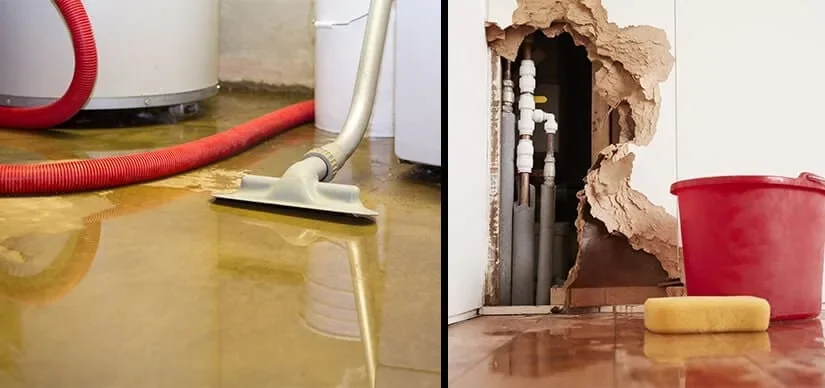
- Water accumulating around the base of the unit
- Loss of water pressure
The Basics of Tank Maintenance
- Drain the Tank
Sediment accumulates at the bottom of your tank over time, particularly if you reside in a hard water district. Draining and flushing the tank removes debris and enhances heating efficiency. - Test the Pressure Relief Valve
Raise the handle of the valve and let it snap down. If the water comes out and then closes, it's functioning. Otherwise, it could be time for replacement. - Examine the Anode Rod
The rod prevents rust in your tank. If the rod is corroded severely, it will no longer protect your unit. To replace it costs a whole lot less than the entire water heater.
How to Take Care of a Tankless Water Heater
Important Tips:
- Flush the device every year using a vinegar solution to descale
- Clean or replace filters regularly
- Check the air intake and exhaust vents for blockages to make sure they're clear
When to Call for Emergency Water Heater Repair
- Water leaking from the tank or connections
- No hot water at all
- A gas smell or pilot light issues
- Electrical burning smell
Professional Water Heater Inspections—Are They Worth It?
Cost of the Water Heater Repair vs. Maintenance
DIY Tips to Keep Your Water Heater Smooth
- Lower the thermostat to 120°F—warm enough to feel cozy, but gentle on the tank
- Maintain a clean and open space around the heater
- Add a water softener if your water is hard
- Look for drips or dampness around fittings once a month
Conclusion
FAQs
Q1. How frequently should I drain my water heater?
Tank water heaters should be drained every 6 to 12 months to flush out sediment. Tankless water heaters need annual descaling to maintain efficiency.
Q2. Why will a water heater not work?
Common causes include a failed thermostat, sediment buildup, defective heating element, or issues with gas or electrical supply. A professional inspection can pinpoint the issue.
Q3. Is it okay to fix a water heater myself?
Basic maintenance like flushing the tank or checking the pressure valve is safe for DIY. For anything involving electricity, gas, or internal repairs, hire a licensed plumber.
Q4. How long do water heaters usually last?
Traditional tank water heaters typically last 8–12 years, while tankless models can last up to 20 years with proper care and regular servicing.
Q5. How is repair different from replacement for hot water heaters?
Repairs handle minor problems such as leaks or thermostat malfunctions. Replacement is needed when the unit is too old or the damage is beyond repair.
Category
Recent Posts