Steps to Safely Turn Off the Main Water Line in Your House
Views : 882
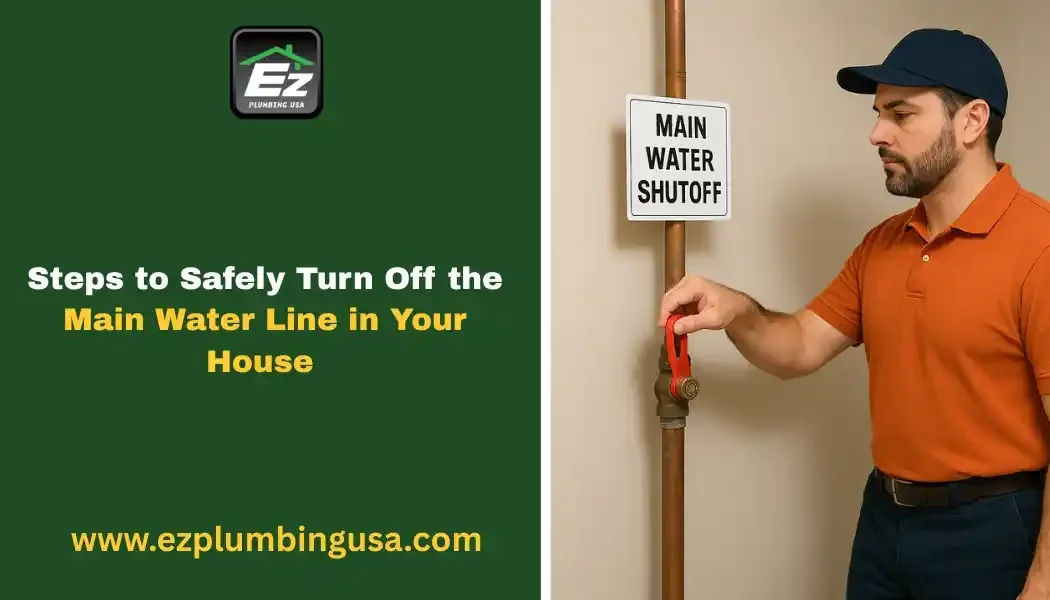
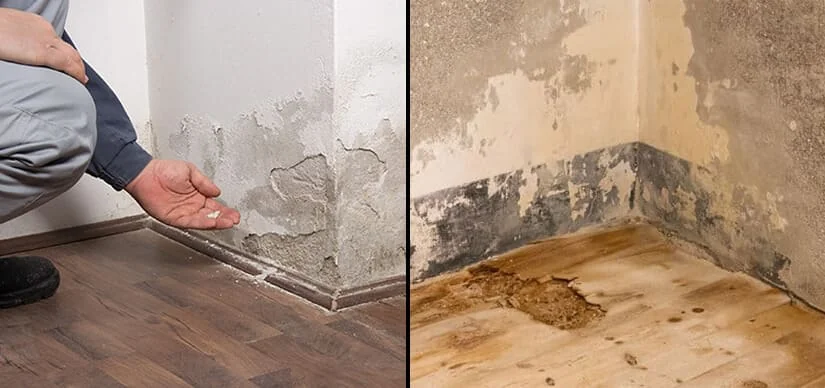
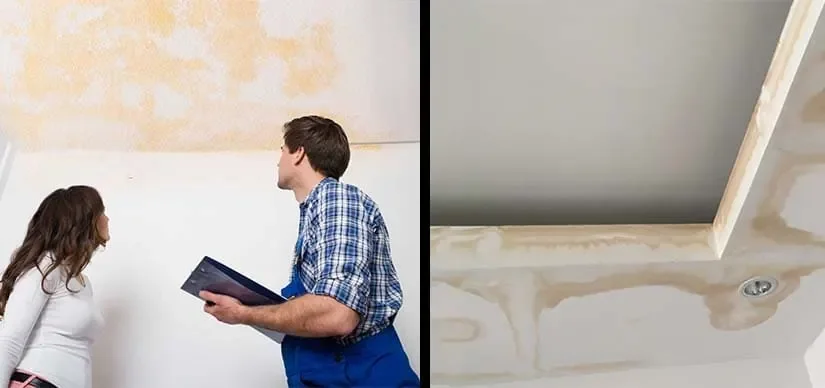
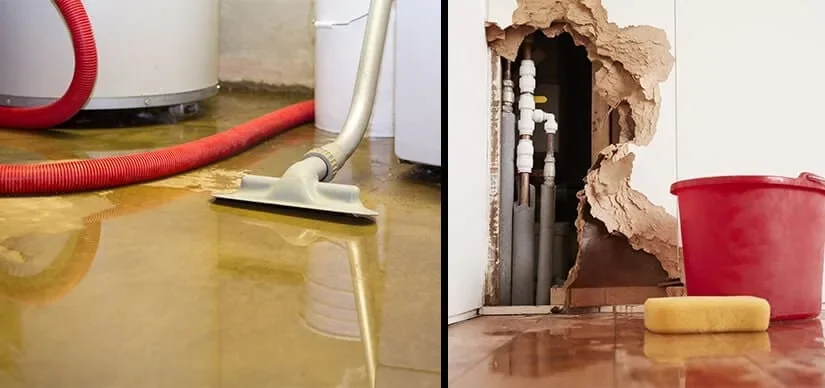
Might it be burst pipes or plumbing repairs or, say, emergency glass leaks, knowing how to shut the main water shut off valve inside the house is a very important thing every homeowner should know-how because water shut offs can really protect your property from water damage.
This guide would include finding your main water shut off valve, using it, and tips for dealing with an outside water shut off valve, identifying your water main valve, and also an understanding on how-to emergency water shut off in the house situations.
Why You Need To Know Where Your Main Water Shut Off Valve Is
What Is The Main Water Shut Off Valve?
- Near the water meter
- In the basement if the climate is cooler
- In the garage or utility room, or near the foundation if the climate is warmer
Step-by-Step Guide: Turning Off the Main Water Shut Off Valve
- Locate the Valve
The search will be somewhere near where the water line enters into the house. More often than not, the main water shut off valve is usually found indoors, very near to where the main pipe comes from the outside. - Identify the Type of Valve
You'll normally see one of two types:
- Ball valve: Turn it a quarter turn clockwise.
- Gate valve: Rotate it clockwise until it won't turn anymore. - Closing the Valve
Close it gently but firmly. If it hasn't been turned for years, it may have rusted a little. If it isn't turning, don't force it! Consider some penetrating oil. - Test by Opening a Faucet
After you have closed the valve, open the hot or cold water faucet to check if there is any water flow. If water is stopped, then you have successfully turned off the water supply to your house.
What You Should Know About Outside Water Shut Off Valve
Water main valve VS other valves
- Water mains valves all shut off water to the house.
- Fixture specific valves (under sinks, toilets) only shut off water to that fixture.
- Shut off valves for outside irrigation systems work only to shut it down.
Emergency Water Shut Off in House: What to Do in a Crisis
- Stay calm but act.
- Find your main water shut-off valve and turn it off right away.
- Shut off electricity in flooded areas.
- Call a plumber immediately.
- Begin cleanup and remove wet items to prevent mold.
Tips to Maintain Your Shut Off Valves
- Exercise the valve: Every six months, turn it on and off to prevent seizing.
- Label the main valve clearly so everyone in the house knows where it is.
- Keep the area clear: Do not block access with furniture, storage boxes, or junk.
Conclusion
FAQs
Q1. Where is the main water shut-off valve usually located?
The main valve is typically found where the water line enters your home—in the basement, garage, or utility room. In warmer climates, it may be located outside near an exterior wall.
Q2. How can I check if my main water valve is working properly?
Shut off the valve, then turn on a faucet. If water stops completely, the valve is working. If not, it may need servicing.
Q3. Can I turn off the outside water shut-off valve myself?
You can, but you might need a special tool. It's often better to contact your local utility provider, as they typically manage this valve.
Q4. What should I do if I can’t find my shut-off valve in an emergency?
Check common spots like near the water heater, garage wall, or where the line enters the home. If you're still unsure, call a plumber immediately.
Q5. How often should I test or operate my main shut-off valve?
Turn the valve off and on every six months to ensure it works properly. Regular checks help maintain its functionality in emergencies.
Category
Recent Posts