The Smart Way to Handle Slab Leaks at Home
Views : 1007
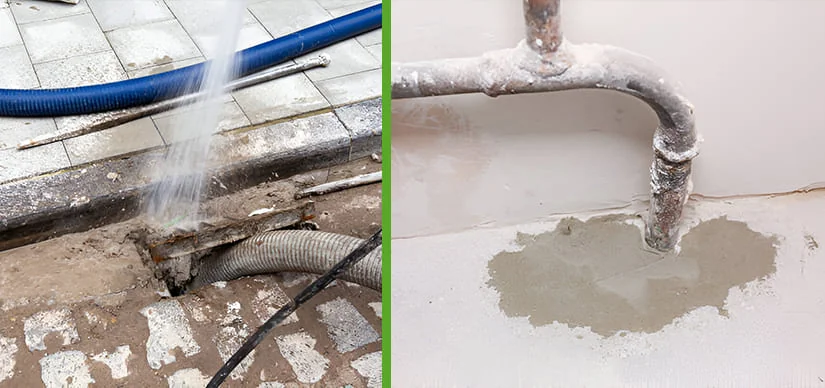
Slab leak repair in San Diego might send you reeling. Water-soaked visions of ripped floors, exorbitant repair bills, and endless hours of disrupted lives could invade your mind. Not to worry-modern techniques have made slab leakage repair far less invasive and inexpensive than before.
What is the Slab Leak?
Common Signs You Have a Slab Leak
- Unpredictably high water costs
- Warm patches on the floor
- Flooring with dampness or discoloration
- Noise of running water with no faucets in use
- Cracks along walls or floor
The Risks of Ignoring a Slab Leak
- Water damage to your flooring and foundation.
- Mold growth in damp areas
- Decreased property value.
- Repair cost skyrockets.
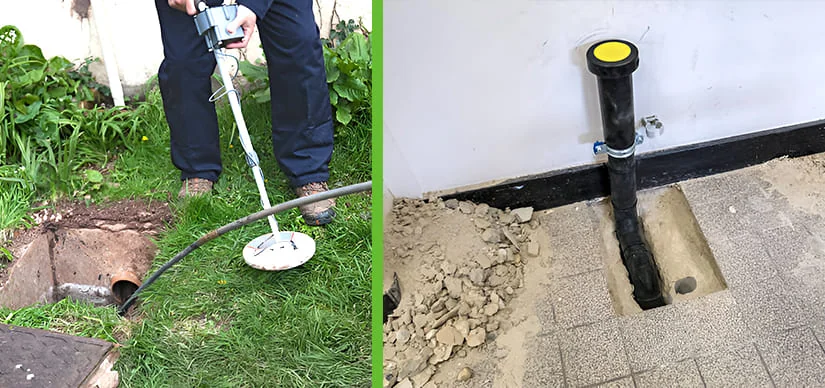
How Professionals Detect Slab Leaks
- Electronic listening devices
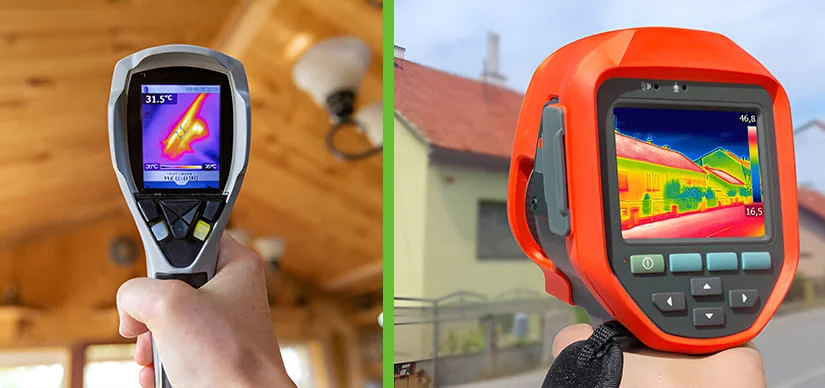
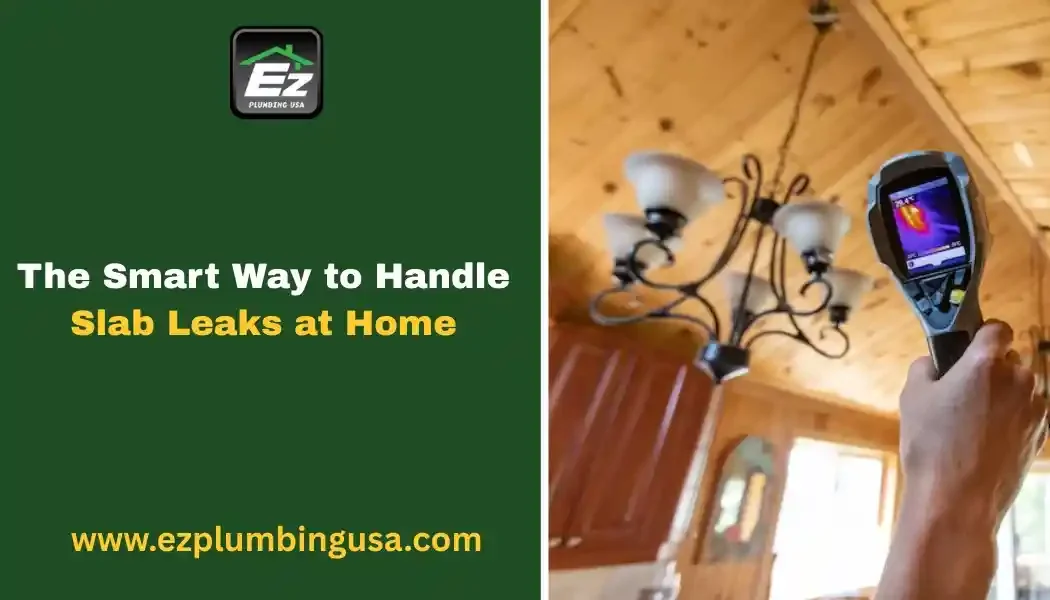
- Infrared thermography
- Moisture detection instruments
- Pressure testing
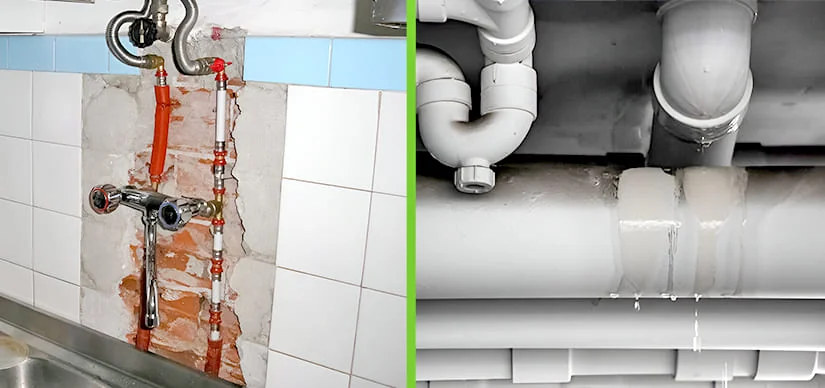
Slab Leak Repair Techniques
- Spot Repair
Some concrete is chipped away over an area to fix a localized leak. Best for newer homes with just one small leak. - Rerouting
This means capping off the line that is leaking and running a line through the walls or ceiling. It is not very invasive or time-consuming. - Pipe Lining (Epoxy Coating)
This technique relieves epoxy to coat the inner surface of the pipe without excavating. It seals the leak without digging and is an incredible long-term proposition.
The expenses concerning slab leak repairs:
- Leak Detection Costs: $300 - $600
- Spot Repair Costs: $500 - $1,500
- Rerouting Costs: $1,500 - $4,000
- Epoxy Lining Costs: $2,000 - $6,000+
Preventing Future Slab Drips
- Install a water pressure regulator
- Schedule periodic inspections of your plumbing system.
- Use non-chemical drain cleaners only.
- Replace old pipes with modern corrosion-resistant material.
How Water Damage and Mold Growth Are Connected
Why to Choose a Professional for Slab Leak Repair
- Accurate leak detection tools
- Experience with a variety of repair techniques
- Warranty on work done, should one be needed
- Insurance coverage for damages
Choosing the Right Plumbing Team
- Has experience with slab leaks
- Offers trenchless repair options
- Provides upfront pricing
- Is licensed and insured
Conclusion
FAQs
Q1. What in the world causes a slab leak?
Corrosion of pipes, poor installation, excessive water pressure, or shifting soil can all lead to slab leaks. Even mild, continuous pressure on a slab pipe over time can cause it to wear and eventually leak.
Q2. Can I tell if I have a slab leak?
Unusual warmth on floors, unexplained spikes in your water bill, or the sound of running water when all fixtures are off may point to a slab leak. However, only a professional using infrared cameras or electronic leak detection can confirm and locate it accurately.
Q3. How long does the repair of a slab leak take?
Repairs can take anywhere from a few hours to 2–3 days, depending on the method used—whether it's a spot repair, pipe rerouting, or epoxy pipe lining.
Q4. Does insurance cover slab leaks?
Homeowners insurance often covers water damage caused by a slab leak but may not cover the actual repair of the leaking pipe. Review your policy or consult your insurance provider for details.
Q5. What should I do if I suspect a slab leak?
Immediately turn off your home’s main water valve, avoid using any plumbing, and contact a licensed plumber to inspect the issue before it escalates further.
Category
Recent Posts