How Fast Emergency Plumbing Can Prevent Thousands in Water Damage
Views : 452

Emergency plumbing response in the first 10-15 minutes determines whether water damage stays contained to one room or spreads through a house. The fastest way to limit cost is shutting off the water immediately, then calling a plumber who can also document the damage for insurance.
Whether it's a gushing pipe beneath your foundation or a silent slab leak destroying your flooring from below — every minute without professional emergency plumbing help multiplies the damage. This guide tells you exactly what to do, what to watch for, and how to protect your home before a plumber arrives.
What Counts as a Plumbing Emergency?
- Leaking or frozen pipes causing fast flooding in the room.
- Sewage backups and sewage being pushed back into your house.
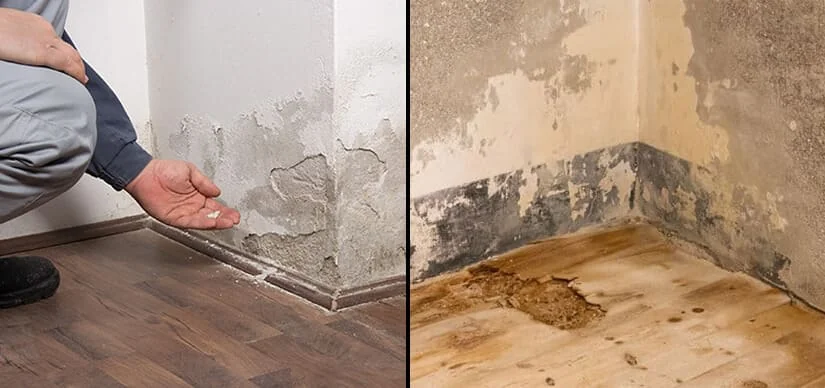
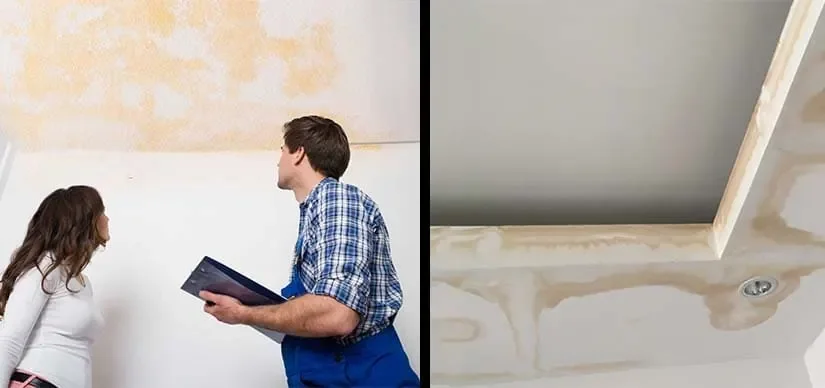
- Suspected slab leaks: hot floors, expensive water bills, cracks in walls.
- Water in proximity to any electrical panel.
- No running water at all without any identifiable reason.
- Gas smell coupled with any of the problems above.
Your First 10 Minutes: A Step-by-Step Response
- Turn off the main valve supplying water, which should probably be located near or in the vicinity of the water meter or perhaps even in the basement.
- Ensure that electricity has been shut off in areas affected by the flood, and don't work near electrical outlets while your hands are wet.
- Take pictures or make a video as evidence for the purpose of your insurance claim.
- Elevate any valuables to keep them from being damaged, such as equipment, papers, and moisture-holding furniture.
- Hire a licensed plumber specializing in emergencies and able to work any time of the day.
- Contact your insurer, because while you might not know the extent of the damages yet, it is better to make a claim.
The Hidden Danger: Slab Leaks
Signs You May Have a Slab Leak
- Unexplained increase in your water bill (typically 20-40% increase)
- Warm or hot spots on your floor (leak in the hot water pipe)
- Noise of running water while no fixture is in use
- Presence of cracks on walls or floors
- Musty or mold-like odor even when there is no water leakage
- Dampness felt in carpets next to external walls
Water Damage Repair: What the Restoration Process Looks Like
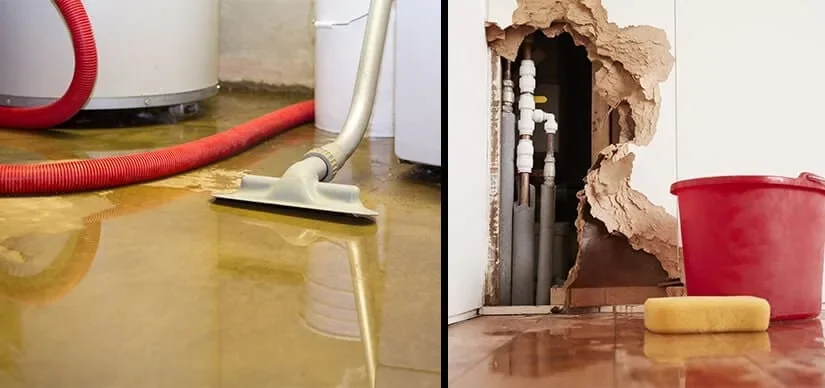
- Water extraction — industrial vacuums and pumps will remove all standing water within hours.
- Structural drying — high-velocity air movers and dehumidifiers dry walls and floors within 3-5 days.
- Moisture mapping — thermal cameras ensure all material is dried out before closing walls.
- Mold Prevention Treatment — antimicrobial solutions are applied to all treated surfaces.
- Plumbing restoration — pipes, fixtures, and connections are repaired or replaced. For slab leaks, this may involve rerouting pipes through walls.
- Structural repair — drywall, flooring, cabinetry, and paint are restored to pre-damage condition.
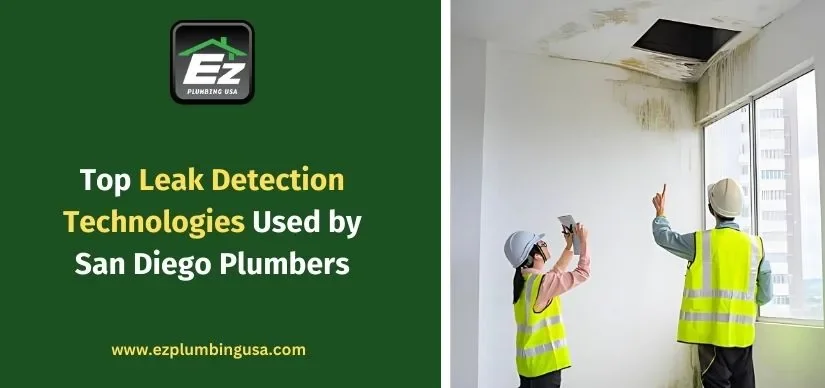
Emergency Leak Detection: Technology That Saves Your Home
- Acoustic listening — uses frequency signature of leaking water from the pipeline
- Thermal Imaging — detects changes in temperatures created by the movement of water through walls and floors
- Tracer gas — non-toxic gas is injected into pipelines and detected where it leaks out
- Video pipe inspection — uses a tiny camera inside the pipe which finds any cracks, roots, or corrosion
Final Thoughts
Frequently Asked Questions (FAQs)
Q: How quickly should I call for emergency plumbing help?
Do not overlook the subtle signs of a slab leak. Do not wait until the following day when there is water running. Do not take on the restoration yourself without the proper experts equipped to handle the situation.
Q: How do I know if I need slab leak repair or just a standard pipe fix?
If your water bill has risen unexpectedly, you hear running water with everything turned off, or you notice warm spots or cracks in your flooring, a slab leak is likely. A professional emergency leak detection assessment will confirm the source without unnecessary demolition.
Q: Does homeowners insurance cover water damage repair?
While normal insurance policies will provide coverage for sudden and accidental damage caused by water, slow leaks or flooding that comes from the outside generally need special insurance policies. It is important to take note of everything immediately and contact your insurance company once the plumber has inspected the problem.
Q: How long does plumbing restoration take after a major water event?
A full plumbing restoration — including drying, mold prevention, pipe repair, and structural rebuilding — typically takes 1-3 weeks depending on the extent of damage. Structural drying alone requires 3-5 days with professional equipment. Skipping any phase risks mold growth and recurring damage.
Q: Can I repair the water damage myself?
Some drying on the surface may help minimize damage, but it takes expert restoration to fix any damage caused by water more than just on the surface level. Even small moisture in walls and subfloors will result in mold growth in 24-48 hours if left unchecked.
Q: What does emergency leak detection actually involve?
Emergency leak detection uses non-invasive technology — acoustic sensors, thermal imaging cameras, tracer gas, and video inspection — to pinpoint the exact source of a leak without opening walls or floors unnecessarily. It's particularly critical for slab leaks, where the damage source could be anywhere under your foundation.
Category
Recent Posts