How Water Filtration Systems Are Transforming San Diego Living Standards
Views : 763

Living in San Diego has its advantages—sun, beaches, good eats—but one concern homeowners deal with constantly is water quality. Whether it's the hard minerals creating buildup in your shower or the odd taste from the tap, a lot of residents are turning to a water filtration system. And in all honesty, it's no longer an extra—it's becoming a necessity.
In this guide, we will cover all that you must know regarding water filtration for your home. From how they operate to cost and how they affect daily life, we’ll show how a water filtration system can upgrade your living conditions in San Diego.
Why San Diego Water Requires Filtering
San Diego water is also famous for being hard and chemically treated using chlorine. Though legal to drink, it doesn't taste nice to most people, smells awful, and its aftertaste and residual buildup aren't favored either. That's where a water filtering system comes to the rescue—it removes impurities, improves taste, and protects your appliances and pipes.
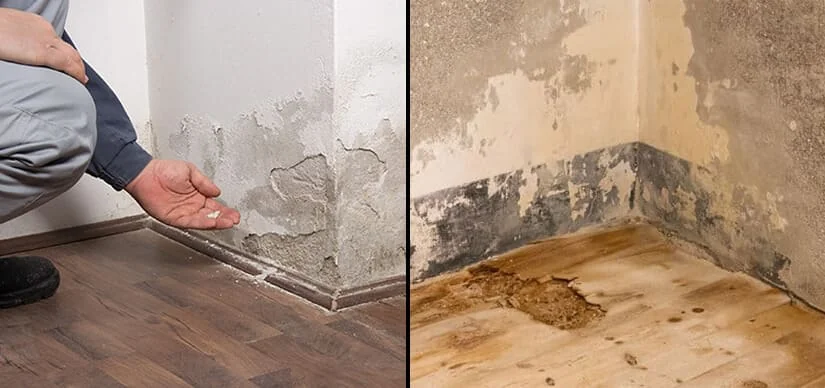
Hard water leaves behind scale on pipes, fixtures, and even hair and skin. If soap won't lather, there is cloudy glassware, or your skin becomes itchy after a shower, hard water is probably the cause. A quick fix is investing in a shower filter for hard water, but systems installed for the whole house are the difference maker.
What is the Water Filtration System?
A water filtration system is an arrangement that purifies your water supply by eliminating unwanted impurities. There are several types, including:
- Carbon filters (well-suited to take out chlorine and smells)
- Reverse osmosis systems (for more thorough purification)
- UV filters (for bacteria-killing)
- Whole-house filtration (for all faucets and appliances)
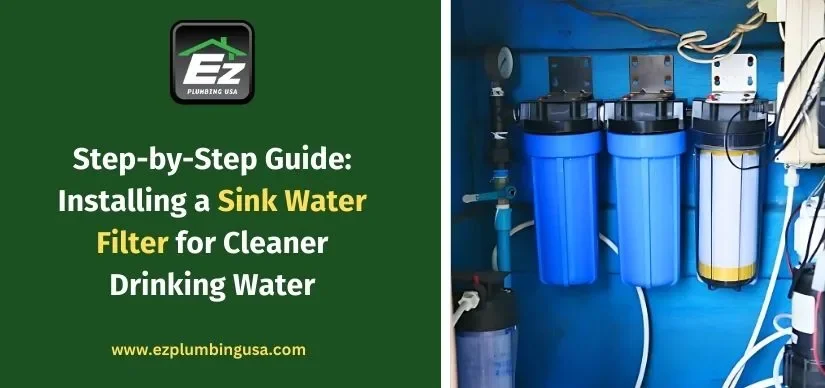
Depending upon what your own water issues are, you might only need a sink water filter or go whole-house with one that filters the water for the entire house.
Popular Water Filter Options for San Diego Homes
Depending on your home's layout and your water requirements, there are several different filtration options available:
- Sink water filter: Simple to install, purifies drinking and cooking water.
- Filtered water dispenser: Usually installed in refrigerators or as separate taps on the sink.
- Whole-house systems: These clean all water that comes into your home, showers, laundry, and kitchen.
- Hard water shower filter: Great for renters or temporary solutions, these are affixed directly onto showerheads.
How Much to Install a Water Filtration System?
Here's a brief summary of what you could expect to pay in San Diego:
- Sink-mounted filters: $50–$150 (DIY or professional install)
- Under-sink reverse osmosis: $200–$600 plus installation
- Whole-house systems: $1,000–$5,000 including installation
- Hard water shower filters: $30–$100, easy installation
Remember, long-term cost savings on bottled water, plumbing repairs, and appliances can pay off relatively quickly.
Maintenance and Filter Replacement
Regular maintenance and timely replacement of your filters keep your water filtration system in peak working order. Omitting these steps reduces performance and permits contaminants to flow through.
- Filter Lifespan
Depending on the brand and usage, most filters serve 3 to 6 months. Check manufacturer directions to avoid clogging or inefficiency. - Whole-House System Checks
They will usually need annual maintenance. It's best to have a plumber check the unit to look for sediment accumulation or pressure concerns. - Under-Sink & Reverse Osmosis Maintenance
Most reverse osmosis systems have several stages of filters with varying replacement schedules. Mark the filter with installation dates or set an appointment reminder. - Signs It's Time to Replace
Reduced water flow, peculiar tastes, or murky water tend to indicate that the filter is blocked or exhausted. Frequent maintenance assists you in detecting these sooner.
Environmental Impact of Using Water Filtration
Investing in a water filtration system doesn’t just benefit your home—it’s a smart move for the planet too. You’ll reduce waste, energy consumption, and plastic dependency.
- Less Plastic Waste
With filtered tap water, there's no need for single-use bottles. A family of four can easily cut out hundreds of plastic bottles a year. - Lower Carbon Footprint
Bottling and transporting water takes a lot of resources. Filtering at home saves fossil fuel usage overall. - Water Efficiency
High-end systems, such as tankless reverse osmosis, conserve water by reducing waste, making them a more environmentally friendly option. - Healthier Habits, Greener Homes
Clean water makes more water consumption and less consumption of sugary drinks possible. This benefits both individual health and green living.
When Do You Need to Call a Plumber?
Not every system needs a pro, but here's when you absolutely should:
- Having a whole-house filtration system installed
- Changing plumbing lines or under-sink arrangements
- You're not comfortable with DIY installation
- You desire suggestions optimized for San Diego water quality
A professional, green plumber can make sure everything is properly up to code and optimized for your water demands.
Conclusion
From improved tasting water to softer skin and less plastic waste, the advantages of a water filtration system extend much farther than most realize. From installing a basic water filter for your sink, to a filtered water dispenser upgrade, or going whole hog with a hard water shower filter and home solution, the payback is in convenience, health, and cost savings.
If you're prepared to enhance your home's water and make wiser environmentally friendly decisions, Contact Us Today to discuss options and prices that work with your San Diego lifestyle.
In this area we serve: https://goo.gl/maps/et6kHzTuuDqN8WzDA
FAQs
Q1. How often should I replace the filter in my water purification system?
Most filters need to be replaced every 3 to 6 months, depending on your water quality and the system type. Always follow the manufacturer’s guidelines for best performance.
Q2. Will a sink-mounted water filter eliminate all contaminants?
No. Sink-mounted filters remove chlorine and some contaminants but are less comprehensive than reverse osmosis or whole-house systems for full purification.
Q3. Is a filtered water dispenser worth the investment?
Yes. They’re convenient, clean, and reduce the need for bottled water—especially great for families who consume large amounts of drinking water daily.
Q4. Why is a hard water shower filter useful?
It helps reduce mineral deposits that can lead to dry skin, dull hair, and soap scum. These filters are affordable and easy to install.
Q5. Do I need a plumber to install a water filtration system?
Not for basic filters. But for more complex systems like reverse osmosis or whole-house units, hiring a plumber ensures proper and efficient installation.
Category
Recent Posts